



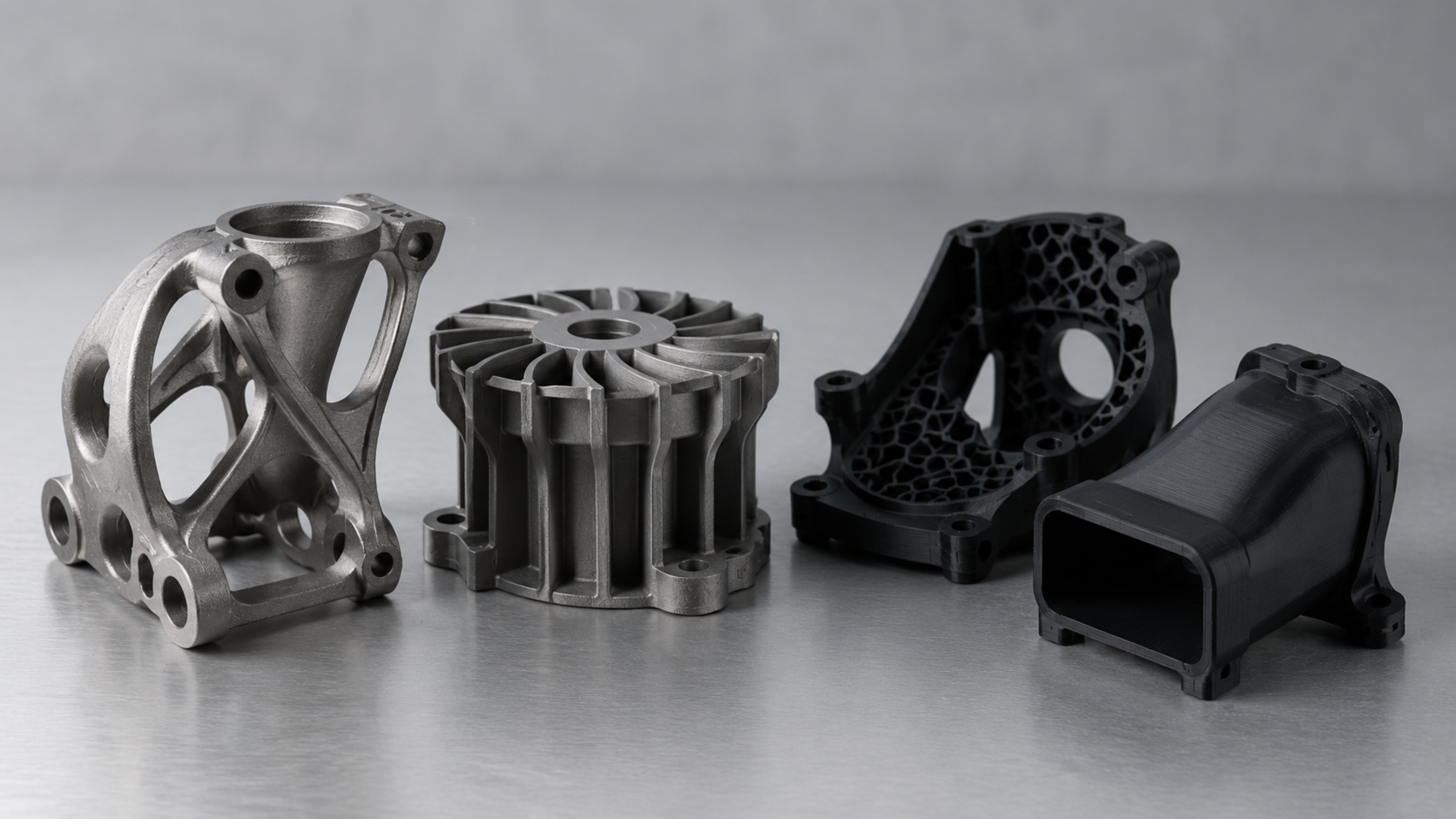
Most of the time, 3D Printing Service Malaysia piece needs supports taken off once it’s done. Little by little, layers build up when hot plastic gets laid down from melted pellets or stringy filament. Smoothing things out might happen later along with cutting away extra bits. Finished parts come together through that slow stacking process.
Pouring into the build chamber goes a liquid resin that hardens when hit by light. Layer after layer takes shape because exposure locks the pattern in place. When the machine finishes, cleaning comes first, then more light strengthens it, finally any extra bits get taken off.
Out of thin air, layers take shape when heat fuses fine plastic dust inside a chamber. The machine spreads powder one slice at a time, then light traces each form without melting it fully. After sitting still to lose warmth, the block gets brushed free of loose grains around the solid piece. Some pieces go on to meet rough textures or color soaks, if needed.
A fine layer of metal dust sits ready before energy from a laser or electron beam fuses it into solid form. Once built, leftover powder shakes free, making space for what comes next. Internal tensions ease during controlled heating, helping stability. Supports that held everything in place come away piece by piece. Final shaping happens through precise cuts, bringing each part to its intended state.
A layer of fine metal dust gets held together by a glue-like material dropped in specific spots. What comes out first needs heat to set the bond right. After that, loose particles get brushed away carefully. High temperatures later tighten the structure into solid form. Handling extra bits happens only if needed. Final shaping might involve cutting tools, depending on design demands.
From polymer-infused metal rods, parts take shape through 3D Printing Near Me first. Once built, they lose their binding material during a cleaning phase. Then heat tightens the structure into solid metal. Shrinkage happens, so adjustments matter along the way. Heat treatments might follow, depending on the part’s needs. Finishing steps come last, shaping performance and surface together.
Deciding on Polymer or Metal 3D Printing
Most times, 3D Plastic Printing Service wins out when speed and cost matter for mockups, alignment tests, or holding tools in place. Only if the part needs actual metal traits does Metallic 3D Printing Service Malaysia enter the picture. Yet each step of the process clock matters just as much.
Though some jobs need tougher heat resistance, certain advanced plastics can work – but only in narrow cases. Metals built through layering methods often handle hot environments better. Before picking any material, check how it will perform where it’s actually used.
When forces get stronger, polymers tend to work better in parts that don’t carry much weight or need flexibility. Metals show up more often in brackets, inserts, or pieces facing heavy mechanical stress. How a part is positioned during 3D Printing Company In Malaysia
can affect strength – testing helps spot weak spots. Hidden flaws might form depending on direction; checking performance reveals them.
Out in regular workspaces, plenty of plastic-heavy setups run just fine without big factory needs. Where metal dust comes into play, things get trickier – safety steps pile up, making those options rarer. Even so, breathing in fumes or managing goopy resins? That kind of hassle tags along with certain plastic methods too.
Most of the time, when rules are tight, plastics go into tools and test parts that don’t need approval. Metal often shows up where parts must pass official checks. Meeting those standards tends to raise expenses across the board.
When making a few finished items at once, plastic materials handle cases, tubes, replacement pieces, besides working models just fine. Metal usually steps in wherever strength or heat resistance really matters for moving parts. How many you build still shapes how much it all costs in the end.
After machining, extra steps matter less with plastics, yet metals typically need them for tight tolerances, reference points, or smoother surfaces. Such work adds expense and stretches schedules.
Though harder to inspect, intricate shapes made from plastic often replace multiple parts in ducts or frames. Inside metal pieces, hollow paths form neatly, combining jobs into one piece. When things get more detailed, checking every bit becomes heavier work – so the design must earn that cost.
What are you waiting for? Give us a call now.
