


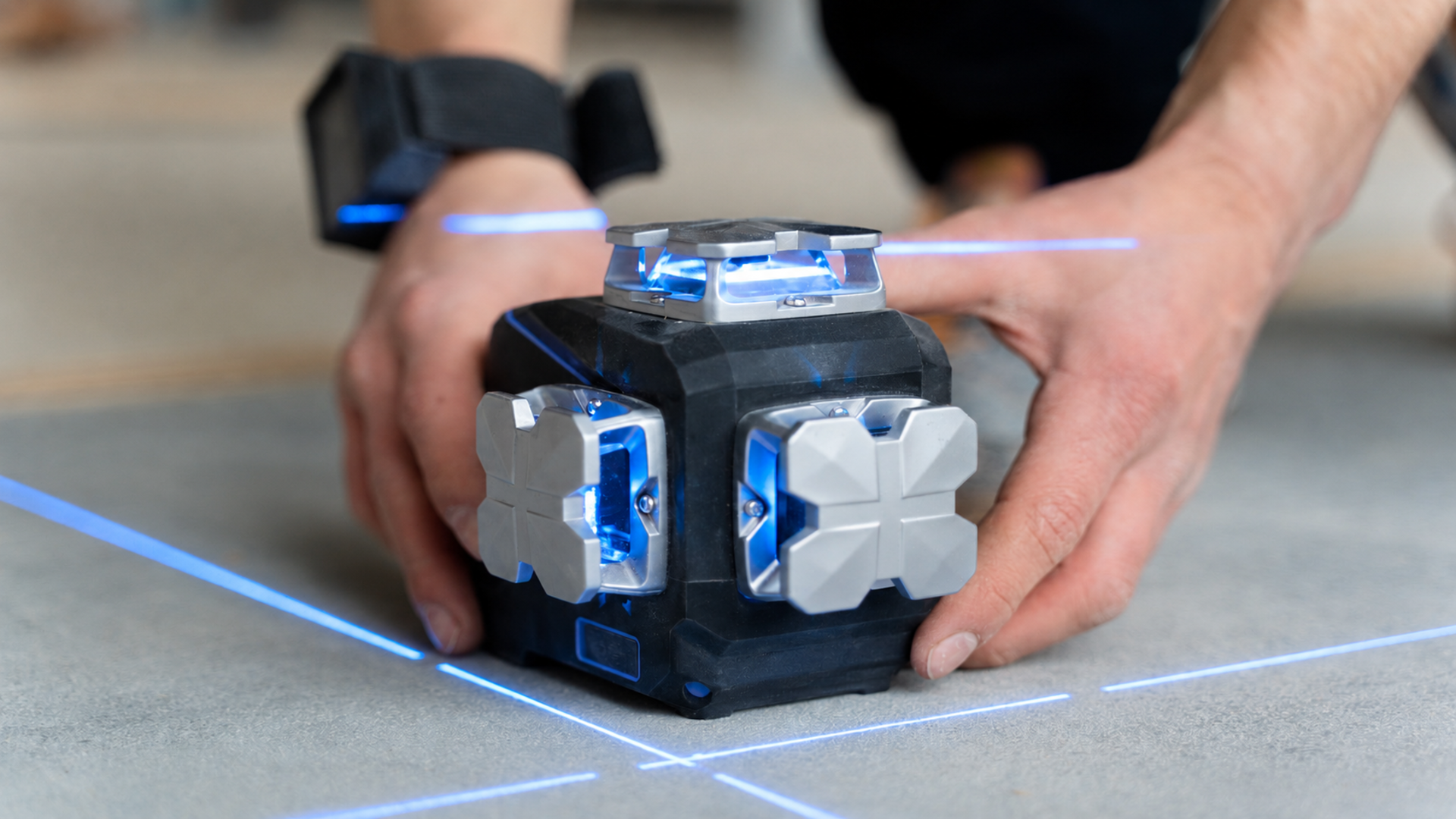
Large energy companies are no longer a primary player in the renewable energy sector. Modern solar energy projects utilize 3D laser scanners to make them energy efficient and cost-effective with the latest technological advances. 3D scanning uses laser beams to capture the terrain data that reduces redesigning costs, and minimizes the design time of the project.
Technology innovation leads to new ways of overcoming complex processes in different industries, including the implementation of renewable energy projects. The 3D scanning technology provides businesses with an affordable and efficient method of collecting data, giving them a competitive advantage through 3D Scanning for Energy Sector applications. Below are the advantages of using 3D scanning technology in the solar energy industry.
Table of Contents:
Benefit 1: Quick and Efficient Survey of Large Areas
Explanation: Compared to traditional surveying techniques, 3D laser scanning requires less time and effort to survey large areas for solar farms.
Surveying the land where solar farms are going to be located is a very challenging endeavor due to the large areas that must be covered. The higher the size of the solar farm, the lower the installation costs per watt due to economies of scale. However, large-scale solar farms require comprehensive surveys of every terrain to ensure that the project is economically viable.
Using high-speed 3D laser scanning, businesses can accurately measure large areas to find the best solar panel installation sites in the shortest time possible. This technique reduces the amount of labor required for the survey while at the same time speeding up the project development process. The faster the survey is completed, the faster the project gets completed with more confidence using a Laser 3D Scanning Service.
Benefit 2: Identify Optimal Panel Placement
Explanation: 3D laser scanning technology helps solar farms identify the best sites to place solar panels for maximum power production.
The site selection is a very important step in the solar farm implementation process since it defines the most profitable site for power generation. The solar farms site selection process is dependent on various factors such as cloudiness, topography, and the overall condition of the land. Previously, these processes took a very long time and required much effort.
The use of sophisticated 3D laser scanning technology in topographic land survey helps analyze the terrain with high precision while also protecting the natural vegetation. This ensures that solar energy companies have an accurate survey report for the selected site without damaging the environment around the location. Consequently, this aids solar farms in determining the best location to capture maximum sunlight while also minimizing shading problems, thus improving the profitability of the business over its lifetime.
Benefit 3: Reliable, Accurate, and High-Quality Data
Explanation: 3D laser scanning produces highly accurate geospatial data, reducing project risks while also maximizing project benefits.
Surveying vast areas of land that are going to host solar farms has many inaccuracies that affect project implementation. Such inaccuracies can be very expensive to the business since the entire project may have to be redesigned due to surveying errors that are very common with traditional surveying techniques. For a successful project, reliable data about the targeted site is very important.
This can be achieved by using advanced 3D laser scanning technology that offers high accuracy while also reducing time spent on the project. This method reduces risk factors and increases design quality and decision-making efficiency, ultimately bridging the gap between renewable energy and technology through 3D Scanning Solutions Malaysia.
Benefit 4: Better Planning and Visualization of the Site
Explanation: 3D laser scanning allows the creation of high-quality 3D models that represent the site’s topography and help visualize the project.
Solar farm projects require much planning that depends on the site survey reports. In case of incomplete data about the targeted site, many implementation problems can arise, including poor project planning and design. Similarly, traditional surveying methods do not provide a solid basis for project planning due to the lack of sufficient terrain information. Thus, it becomes difficult to conceptualize the intended project design.
With 3D laser scanning technology, companies generate digital elevation models that help in representing the various aspects of the targeted site’s topography. Using the data collected from 3D scanning, the companies can design visual models of the targeted site that they use to detect issues and also improve the project design. The benefit of this technique is that it improves project planning, reduces project risks, and ultimately enhances project implementation through Professional 3D Scanning Services In Malaysia.
Benefit 5: Less Environmental Impact
Explanation: Non-invasive 3D laser scanning helps minimize ecological impact during the survey process.
Traditional surveying methods have negative environmental impacts because they involve cutting down vegetation along the targeted site. This not only disrupts the natural ecosystem but also causes environmental damage, especially for large-scale survey projects. Large solar farms are expensive, and hence require vast areas of land to host them, thereby causing more environmental damage during the survey process.
On the contrary, 3D laser scanning technology is a non-invasive technique that can be used to survey large-scale solar farms without damaging the natural vegetation and the environment surrounding the targeted area. This method is very important in solar farm implementation because it ensures that the project follows environmental regulations and guidelines while also causing minimal disturbance to the local ecosystem. This allows the solar farms to maximize profits while also minimizing negative environmental impacts associated with large-scale solar farm developments.
Benefit 6: Higher Worksite Safety and Reduced Operational Risks
Explanation: With remote scanning, solar farms can achieve higher worksite safety while minimizing operational risks.
Solar farm construction sites are usually remote and hard to reach because they are located in mountainous regions or deserts. These harsh environments complicate the solar farm survey process, especially for traditional methods since they are difficult to navigate. Moreover, the working conditions are very severe and pose many serious risks to workers, hindering project construction and causing delays.
The 3D laser scanning technology has remote scanning capabilities that enable it to collect data accurately from remote and inaccessible locations. These capabilities reduce the need for manual data collection, thus minimizing operational risks while ensuring that the project meets its safety standards. Thus, this technology helps companies maintain the highest productivity while also minimizing project delays and risks with Malaysia 3D Scanning Service capabilities.
Conclusion
The 3D laser scanning technology is a revolutionary technique in surveying due to its high precision and speed. This technology enables businesses to implement solar farms projects with confidence while also reducing operational costs by quickly scanning and analyzing the targeted sites to ensure that they are suitable for installation. The 3D laser scanning technology is offered by various companies, including Arrival, to help organizations achieve their clean energy goals through Laser Reverse Engineering solutions. Their technology is an advanced 3D laser scanning system that helps survey the targeted area in a safe and reliable way while also maximizing accuracy. The use of this technology allows businesses to increase their competitive advantage, maximize project efficiency and profitability, and create long-term value for the organization. To learn more about these solutions or discuss your project requirements, get in touch with our team.
