



Table of Contents:
Introduction
Built tough for cars and planes, 3D Metal Printing Machines parts need to be light but strong. Because heat moves fast in these machines, handling temperature matters a lot. Speed counts when making new versions, so designs evolve quickly. Tough demands shape how things are built from the start.
Inside complicated parts, old ways of building things – like pouring metal into molds or cutting shapes with machines – struggle to carve hidden cooling paths or combine pieces seamlessly. These techniques tend to take longer too, stretching out how fast a part gets made. Because of that, hitting just the right mix of strong performance, lighter weight, and fair production cost becomes tough. Not every design fits what these methods can handle.
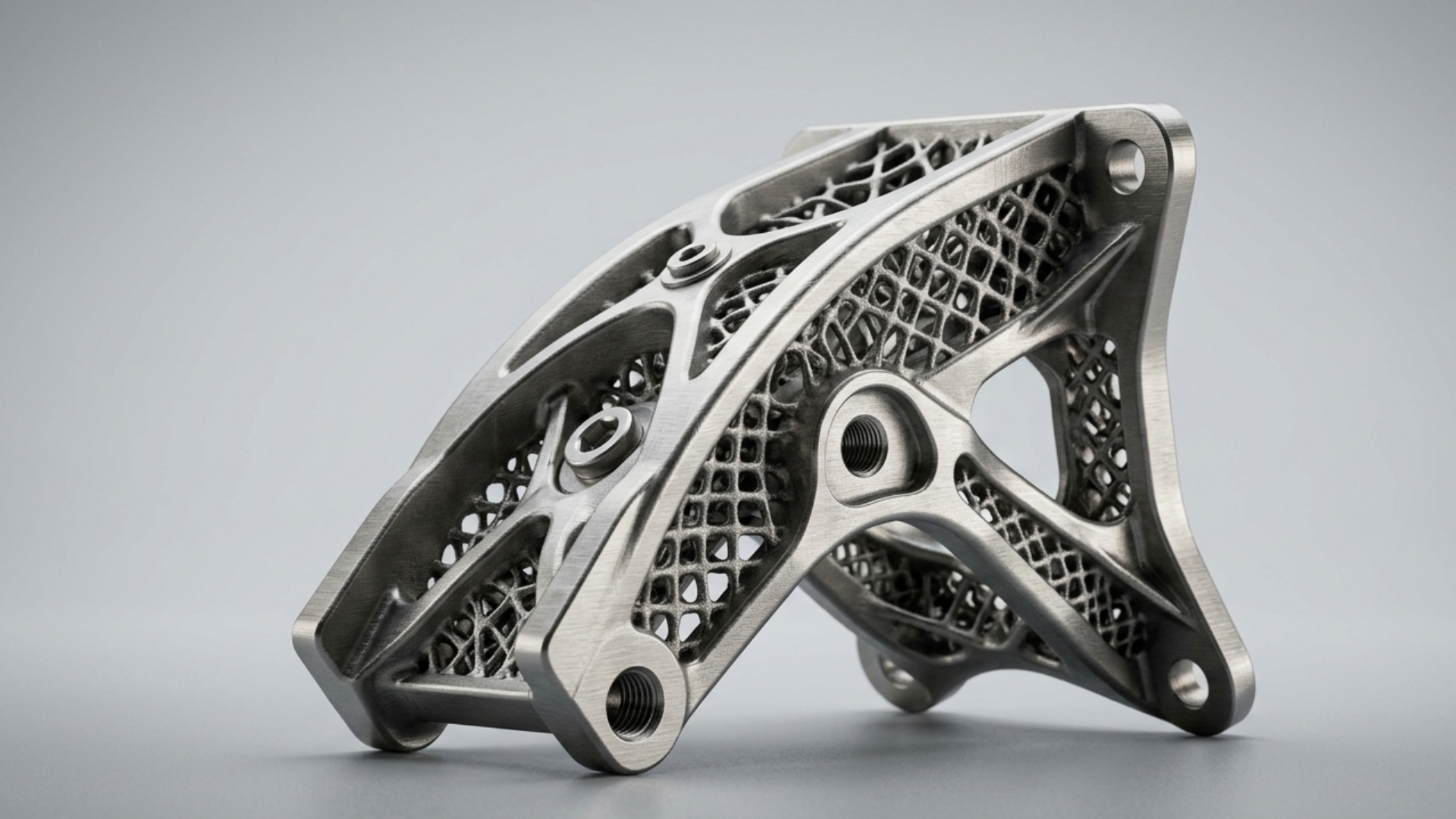
One goal stood out – cutting down part weight without losing toughness. Cooling performance got a boost too, thanks to clever shaping from digital models. Instead of assembling separate pieces, everything formed in a single build. This happened through precise laser melting of metal powder, guided by advanced layout strategies. Internal channels took shapes traditional methods could never reach. Strength stayed high even as material use dropped sharply.
Better heat control came through faster design testing, while production timelines shrank – making metal parts easier to build without sacrificing strength. Efficiency rose when engineering sped up, yet quality held steady across advanced materials.
The Challenges
A machine builder working on cars and planes hit roadblocks using old-school production ways. Problems piled up when standard techniques failed to keep pace. Instead of smooth progress, delays crept in. Custom parts took too long to finish. Design changes became a headache. Precision slipped at critical stages. Costs climbed without warning. Each step forward brought new hurdles. Old tools could not adapt fast enough
Limited design freedom:
Inside shapes that twist and turn stayed out of reach when using regular casting or computer-guided cutting. These methods simply could not form cooling paths that follow tight contours needed for better heat control.
Excessive component weight:
Heavy metal pieces dragged down how well the whole machine used power.
Long prototyping cycles (4–6+ weeks):
Long waits for parts plus steep setup fees made designing new products take more time. Sluggish supply chains mixed with pricey molds dragged each version down.
Need for rapid metal prototyping & low-volume production:
A supplier had to be dependable one moment, fast the next. Working models in metal needed to arrive without delay. Small runs of finished parts mattered just as much. Speed tied directly to function each time. Trust came through performance every single day.
Solution
To meet the high-reliability requirements of energy and industrial equipment applications, Unionfab leverages advanced Selective Laser Melting (SLM) metal 3D printing technology, combined with design optimization, precision additive manufacturing, and comprehensive post-processing solutions.
Built as a single unit, complex metal forms take shape through this method, boosting how well they work while holding strong and streamlining production at once.
- Material: Aluminum Alloy (AlSi10Mg)
- Density: Lightweight aluminum alloy suitable for performance-driven applications
- Thermal Conductivity: Good thermal conductivity for lightweight thermal management applications
- strength after heat treatment over two hundred forty megapascals
- Layer Thickness: 30 μm
- Exact dimensions meet needs of working mechanical parts, while key areas get extra smoothing after initial shaping when required
- After machining, the surface feels smooth, with roughness under 3.2 micrometers
- Production Time: 5–7 working days per batch, including post-processing and quality inspection.
Design strategy:
- Topology optimization to reduce excess material
- Integrated cooling and heat dissipation design
- Part consolidation to minimize welding and assembly
Case Result Presentation
3D Printed Engine Cover Reduces Weight For Better Structural Performance
Objective: Improve structural efficiency while reducing overall weight.
Result:
- Measuring 310 millimeters in length, the part spans across 250 wide and stands at 95 tall. Its dimensions form a compact rectangular shape, fitting neatly within those measurements
- Print Time 30 Hours Using AlSi10Mg
- After shaping, pieces get baked then shot with tiny beads. A machine trims edges after that. Smoothness comes last through precise cuts
- Lighter by 26 percent compared to the first heavy model – drops from 2.9 kilograms down to 2.15
- Static Load Test Passed at 1.4 Times Nominal Without Deformation
- Value: Demonstrating how metal AM can support lightweighting while maintaining structural performance.
Case 2 Metal 3D Printed Engine Block Performance With Precision
Objective: Optimize thermal performance and reduce weight.
Inside the main unit, built cooling paths along with mesh-like parts that release heat. Metal printed layer by layer made it possible to place these features right where they’re needed. Instead of adding them later, the system grows them as one piece during production. This method merges temperature control into the structure itself. Heat moves out faster because the design guides it through tiny open spaces shaped precisely for flow. Built-in channels snake through critical zones so warmth never builds up too much.
Result:
- Part Size: 220 × 180 × 150 mm
- Print Time Forty Hours
- AlSi10Mg forms the base here. Heat treatment follows after printing. Two hours at 300 degrees removes internal strains. This step stabilizes the structure slowly. Cooling comes next without sudden drops. The outcome holds shape better over time. Performance stays consistent under load
● Post-Processing: CNC precision finishing on critical mating surfaces
- Heat moves more evenly, tests show. Computer models agree with real-world checks. Lab results back up the numbers. Simulations predicted it, hardware proved it. Temperature spreads better now, data confirms. Measurements support what software suggested. Real trials match virtual runs. Proof sits in test outcomes. Evidence comes from both digital and physical exams.
- Weight Reduction 20 Percent Less.
- Heat spread more evenly through the new version, showing better results under thermal tests than earlier models. Cooling worked noticeably smoother, thanks to changes that altered how warmth moved across surfaces.
Aerospace Heat Dissipation Module Thermal Management Optimization
Objective: Stable heat dissipation under extreme thermal conditions
Result:
- Measuring 200 millimeters long, each piece spans that same width too. Height comes in at exactly sixty millimeters per unit. Dimensions hold steady across every single one made. Sixty deep, two hundred wide – consistency defines their build
- Build Time 26 Hours
- Lattice Cell Size 1.2 Millimeter Octet Truss
● Material: AlSi10Mg with anodized surface for oxidation resistance
- Heavier parts slow things down, yet this one moves faster thanks to smarter airflow. Cooling works better because the design dumps excess mass while keeping strength. Instead of bulk, it uses shape to manage heat, making old versions seem clumsy by comparison
- Surface Roughness As Finished Ra 2 Point 5 Micrometers
- Lighter builds start here – cooling got better without sacrificing strength in aircraft parts. Weight dropped, yet frames stayed tough where it counts. Performance climbs when design strips bulk but keeps backbone.
Why Aluminum AlSi10Mg Matters?
Most Metal 3D Printing Service Malaysia needing light weight and heat control use AlSi10Mg – it handles stress and warmth well. Though not the strongest alloy out there, its mix of traits keeps it popular among engineers. Lightness shows up alongside strong heat transfer, which helps when things get hot fast. Parts stay reliable even when temperatures swing or forces shift suddenly. Because it spreads heat efficiently while staying tough, many turn to it without much debate.
Heat-treated after production, AlSi10Mg gains better strength and holds its shape more reliably. Because of this, it handles stress well under tough conditions. Its ability to move heat improves when treated, which helps in high-performance settings. So engineers often pick it for components in cars and planes where cooling matters. Performance stays consistent even when temperatures shift drastically.
Technology Selection
Heavy shapes that once took ages to build now come together in one go. Cooling paths, open frameworks, or working elements appear inside metal pieces without extra steps. Instead of stacking parts later, everything forms at once – solid, tight, ready. Designs twist into forms regular tools cannot reach. Lighter builds emerge naturally from this freedom. Speed jumps when changes move straight from screen to object. Ideas shift fast because waiting fades. Metal locks layer by layer under focused light. What used to need welding now grows whole. Fewer touches mean fewer chances to fail.
Customer Feedback
What really stood out was how fast things moved once we started using Unionfab, shared the team’s head of mechanical design. Not needing to sit around for weeks meant getting real metal pieces into testing just a few days after design wrap-up.
Surprisingly, the 3D-printed components held up well within our required tolerances while handling multiple rounds of intense thermal stress without change. Because of that steady behavior, the engineering group felt secure advancing designs focused on reduced weight and better heat management
Results
A switch to 3D Printing Metal Service Provider Malaysia brought clear gains – faster development, stronger parts. Progress unfolded quickly once the new method took hold. Performance climbed without slowing down timelines. Speed and durability improved side by side. Changes showed up early in testing phases. Results stayed consistent through production rounds
Because of quicker methods, building things took less time than old ways of casting and shaping metal
Each batch came out just like the one before. Through several rounds of making them, they stayed uniform. Every run matched the last in how they turned out. Quality held steady no matter how many times we made the parts
Tests showed better performance when switching between hot and cold conditions. Long-term stress trials revealed fewer failures over time.
Prototyping plus tooling expenses dropped when measured against standard methods, which meant quicker shifts from early ideas to testing phases. Not every approach slowed progress like older systems did – this one moved straight into verification without delays. Speed improved because setup demands shrank unexpectedly. Costs dipped where they used to climb steadily before. Validation arrived sooner than teams once expected it would.
Industrial 3D Printing
- Strong stuff like nylon PA12 shows up first – built tough. Engineering resins follow, holding their ground under stress. Aluminum comes through with lightness plus resilience. Stainless steel adds grit where it counts. Metallic 3D Printing Service Malaysia fills in gaps, standing up to constant use.
- Complex industrial pieces start with methods like SLS or SLA. Vapor smoothing follows some builds. FDM layers material step by step. Metal parts come through SLM instead of plastic ones. CNC cuts with precision when needed. Other techniques join depending on design needs. Each process fits certain shapes and uses
- Exactness matters most when parts must fit just right. Every piece holds its shape through repeated runs. Quality stays steady without surprise changes. Components work straight off the machine. Details remain sharp across batches. Performance does not drift over time. Production moves forward without rework
- One part or five hundred – no molds needed. Hundreds of machines stand ready, printing fast when demand grows. Speed stays high, even as numbers climb. Each piece built solid, every time. More than eight hundred strong, they keep production moving without pause
From custom machine pieces to working models, Unionfab turns your blueprints into tough, operational parts. When it comes to tooling or factory jigs, your ideas become real gear without delay. Designs gain form through precise output that just works. What you imagine gets built strong and fast. Ready-made function follows straight from concept.
Bring Your Industrial Designs to Life
Picture your industrial concepts built fast through Metal 3D Printing Company In Malaysia. While others sketch ideas, yours take shape – layer by layer – with precision that matches ambition. Instead of waiting weeks, Metal 3D Printing Service In Malaysia see prototypes emerge in days using advanced digital manufacturing. Because real progress isn’t just imagined, it’s printed. When design meets production speed, everything moves quicker. Not later. Now. Start faster builds while trimming production expenses – suddenly shapes once too hard to make feel within reach. Start building what you imagine. Drop your comment here for a quick price estimate, then move forward without delay.
