


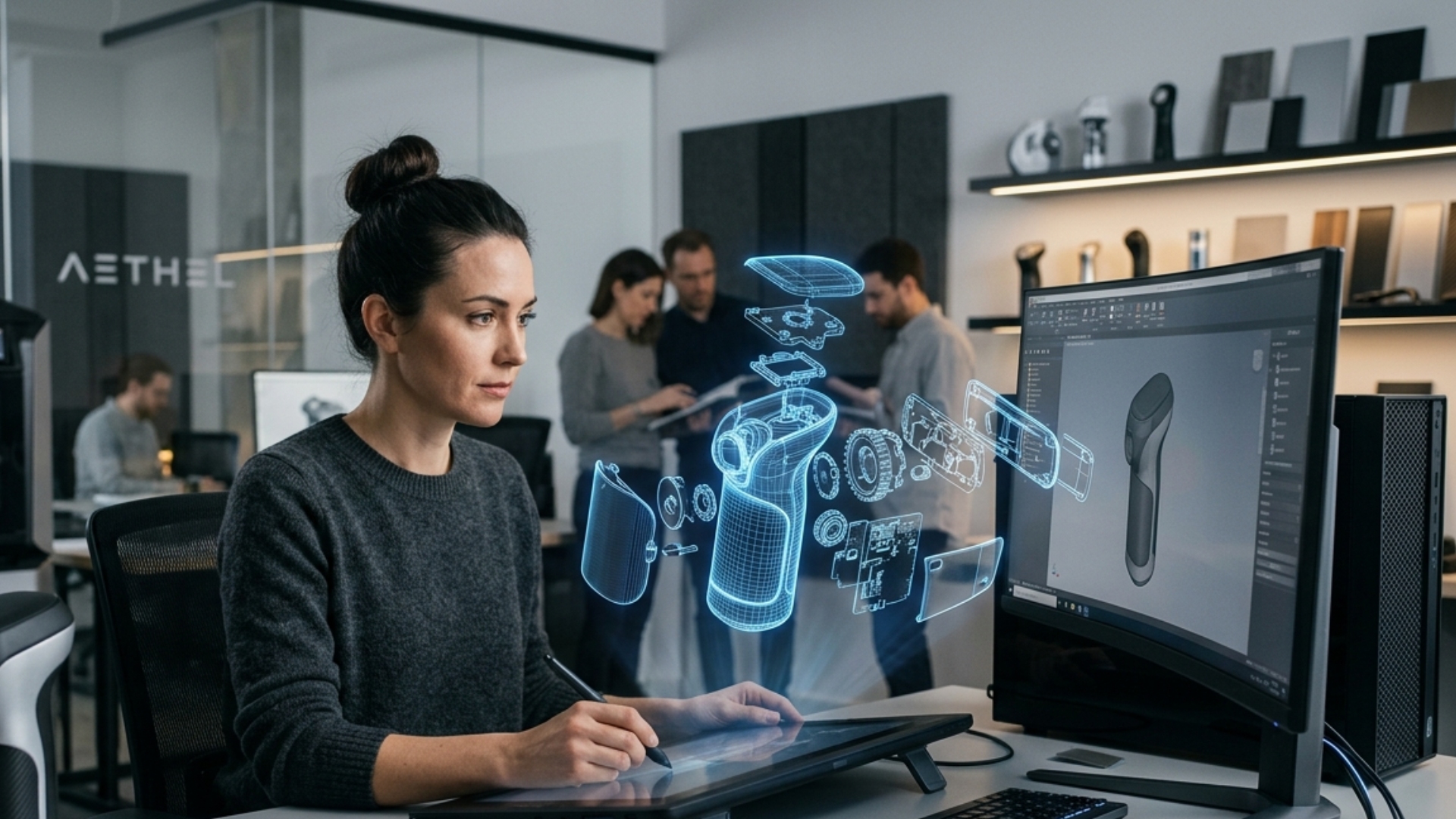
These days, plenty of 3D Modeling Company see how 3D Model Printing Service speed up creating new products while cutting down on prototype expenses. Actually, most barely recall how long it once took to tweak designs with real-world mockups. Thanks to smoother digital processes, moving from idea to finished version now happens without ever building a physical test item.
Picture this: instead of building physical versions early on, companies shape products digitally with sharp Custom 3D Modeling Service. Because of that, changes like size tweaks or new color ideas happen fast inside software, skipping costly trial runs. Imagine spotting flaws before anything gets made – saves money, time stacks up quicker too. Teams see exactly what others mean since everyone looks at the same live version, not just rough drawings or spoken guesses. Since details show clearly, decisions move smoother when planning next steps. That kind of clarity reshapes how things go from idea to real.
For years, CGIFURNITURE has helped makers by creating 3D models for their designs. Because of that experience, here are seven methods – seen through our work – where CGI smooths out how products come to life.
Table of Contents:
1. Unlimited Creativity Among Top 3D Modeling Advantages
Out of thin air, complex shapes rise – crafted by digital artists who turn rough sketches into lifelike models. Instead of waiting weeks, teams see visions take form fast, built from basic notes and hand-drawn plans. A shared idea becomes pixels first, then realism, shaped by software magic few could’ve imagined years ago. Try one version today, tweak it tomorrow – the process bends without breaking. Even wild textures appear real: wood grain, brushed metal, soft fabric – all fake, yet flawless when lit right.
2. 3D Modeling Enables Quick Modifications
One big plus of using 3D Printing Services in product design? Changes come easy, anytime. Take shape tweaks – artists reshape forms by adding details or stripping them away, yet still build textures out of nothing. Mistakes during development used to stress makers out; now they breathe easier. Revisions happen freely, even late into the workflow.
3. 3D Modeling Improves Accuracy In Material Estimates
Producing something means someone has to figure out how much it will cost first. Without checking material needs ahead of time, getting that number right just won’t happen. One solid reason 3D models help? Software built for design work counts exactly what materials are needed. Because the system handles the math instead of a person, errors almost never show up. A machine does the counting – mistakes fade away.
After working out production costs, a business gets a clearer picture of where money goes, yet might choose cheaper materials to save funds. Because resource needs are clear, inventory stays balanced – never too much, never too little.
4. Single 3D Model Powers Multiple CGI Uses
One 3D model opens many doors. Picture it sitting inside a living space, looking real, part of a scene meant for brochures or ads. That same digital version might also stand alone, floating against pure white, built for online stores. Different settings, same base. Each outcome shaped by lighting, angle, context – yet rooted in a single creation. From full scenes to clean cutouts, the starting point stays unchanged. Results shift only by intent, never effort. A solitary design fuels varied uses, quietly.
On top of that, a single 3D model might turn into an animated clip, spin around for a full-circle look, or fit right into virtual or augmented reality. Either way, shaping objects digitally opens many paths – one creation feeds countless presentation needs at nearly no added cost.
5. 3D Modeling Speeds Up Prototyping
Out of nowhere, 3D Scanning Solutions Malaysia gives makers a clear look at what their product will become – long before anything is built. Take one example: digital sculptors tweak models until they fit perfectly into a 3D printer’s needs, then pass them along without delay. From there, files travel straight into specialized programs that guide printers, spitting out physical versions almost right away.
6. 3D Models Reduce Product Design Costs
Most of what takes time in design gets faster with 3D models, so fewer trial versions are needed. That brings down overall expense. Because everything happens on screen, building furniture uses less material and lowers production fees. With fixes already part of the service price, shaping new designs stays within budget quite easily.
7. 3D Modeling Helps Teams Share Ideas During Product Creation
When building products, sharing ideas gets easier with 3D models – especially if different groups are involved. Instead of separate drawings or lengthy documents, one digital version guides choices across departments like design, engineering, and manufacturing. Since people look at identical shapes and constraints, confusion drops off quickly. Because discussions link directly to visible forms, arguments stay focused. Files that follow common standards travel smoothly from early concepts straight into making things. With these models in play, creating new designs opens up while still fitting real-world needs. Freedom grows without losing practicality. Perfection in design becomes possible through CGI services, skipping the need to spend weeks building models. Because of this, those creating products figure out expenses early, letting imagination stay free while staying within financial limits.
Right now, Reach Our Team if sharp 3D Modeling Software matter for your product work. Instead of handling it all yourself, let us take on the modeling – speedier results show up, often cheaper too.
