



Table of Contents:
How 3D Modeling Changes Online Shopping
Custom 3D Modeling Service Malaysia take form when 3D models breathe life into online shopping. Instead of flat images, customers see products twist and turn. With each angle revealed, curiosity grows stronger than before. Because depth replaces stillness, browsing feels less like looking through glass. Since movement mimics reality, 3D Model Printing Service come easier without touching anything real.
Now that tech moves fast, shops on the web can leave behind fixed images of items – since 3D Model Service pop up wherever you look.
Nowadays, enabling customers to see products from every conceivable angle, try them virtually in their space, and customize options in real time is no longer a nice-to-have, but a must-have.
The Shift From Static Images To Interactive Experiences
Pictures that just sit there lost their power long ago. Because machines now move faster than ever, what people see while buying things online isn’t the same as before.
Most folks glance at flat pictures and look away fast. That tiny moment is why stores now turn to spinning 3D versions instead. Shoppers stick around longer when they can tilt and zoom. Some brands say those moving views lift sales nearly double. Seeing things in depth somehow makes buying feel less risky.
Forbes Business even reports that 70% of customers are likely to purchase from a retail store in the future after having an AR experience.
Peering through a screen, shoppers see items appear right in their living room. With digital layers built on top of what’s already there, objects take shape as if they were really sitting on the floor. Instead of guessing how something fits, people watch it scale into place using handheld devices. Through this window, furniture stands tall beside actual walls. A new way to look comes alive when visuals snap into surroundings like magnets. Seeing becomes testing without touching.
Improving Consumer Confidence And Reducing Returns
Seeing a 3D version of a product helps buyers trust what they’re getting before it arrives. Because people can spin it around or get closer, there’s usually no shock once the item shows up at their door.
Surprisingly, fewer items go back – stores have seen returns fall by as much as 35%. That shift probably comes from shoppers getting exactly what they viewed online. The difference between screen and reality has simply shrunk.
Bent packaging shows up less often when customers keep what they order. That cuts shipping expenses while shrinking trash too.
How 3D Models Help Online Stores
Imagine clicking through a store where items twist under your cursor. That shift – from flat images to live-spinning gear – changes how buyers see what they might take home. Instead of just looking, customers begin feeling like they’re holding it. Movement invites touch, even when fingers stay on glass. A shoe turns. A backpack opens midair. These aren’t flashy extras – they replace guesswork. Shoppers spot details photos hide. Brands stop guessing what sells; they show it, slowly, from every angle. The page breathes. Attention sticks longer than before.
Three ways 3D Scanning And Modeling Malaysia help stores that sell things online. Picture this – shoppers spin products around before buying. That happens because three-dimensional views build trust through clarity. Zooming in on textures? Now possible without special tools or downloads. Seeing every angle helps people decide faster than flat photos ever could
- Spending more time looking at an item often leads to buying it. When people can spin a product around on screen or see how it fits in their living room, they tend to stay longer online. That extra moment spent zooming or rotating builds comfort with what’s being sold. Getting hands-on – even digitally – makes decisions feel easier. Familiarity grows when users interact instead of just scroll past images.
- Seeing it spin helps people picture it at home. A flat image cannot show depth or scale. Instead of guessing, they explore every angle. This clear view builds trust before buying.
- Out there where everyone looks alike, tossing a 3D model into your lineup sparks attention simply because most still aren’t doing it. Seen as fresh, even bold, your name sticks – lingering in minds well past the last click. Standing apart grows easier when what you show feels alive. Shoppers notice things that move differently.
Adding 3D Models To Online Stores
Putting 3D models on your shop site takes more than just adding pictures taken around an object.
Planning matters if you want this idea to reach everyone. Retailers thinking about 3D visuals online might want to weigh these points before jumping in
- Start by looking at what your online store can already do. Not every system handles 3D visuals the same way. A few come ready-made with tools for this kind of feature. Others require extra software added on later. Sometimes, you might even need a unique fix made just for your setup. Always test if it runs smoothly before moving forward.
Check what kinds of files work with your product pages. See if they show up right on phones before launching
- Slow sites lose visitors. When 3D Printing Services Online take too long to appear, people leave. Big files are often the culprit. Try shrinking them with help from tech experts. Swap heavy formats for lighter ones. Load images only when needed, not all at once. A quicker page keeps attention longer.
Smooth moves come from familiar symbols, effortless turning plus scaling, alongside straightforward tweaks people grasp fast.
- Start by reaching out to skilled 3D studios when your team lacks the tools or know-how for detailed 3D modeling. These specialists handle every step, so you’re covered from start to finish. Instead of struggling alone, tap into their experience – someone already built what you need.
A handful of products might be manageable alone, yet when variety grows, help makes sense. Picture smoother uploads, smarter displays – that is where outside experience helps shape choices. Tools evolve fast; planning ahead keeps things running later on. Reach out if you want numbers, plus a chat around what you have in mind.
Tracking 3D Impact On Online Sales
Picture this. A 3D model does more than dress up your website or help shoppers see what they’re buying – it quietly lifts how well everything runs. Suddenly, clicks last longer. Choices feel clearer. The whole thing hums a little smoother.
Yet that matters solely when understanding its value.
Tracking how users act helps link your 3D work to real results. Sales numbers give clues about what’s working. Feedback from customers shapes the bigger picture. When these pieces connect, progress becomes clear.
Tracking these numbers gives real insight:
Track Engagement And Interaction Metrics
Right away, how people act shows if returns are happening. Research shows a shift once shoppers start engaging with three-dimensional visuals – stores notice more completed purchases, higher checkout rates, fewer items sent back.
Later clicks might mean someone sticks around longer. Pages where folks tinker with sliders tend to hold attention tighter. Moving through a view slowly hints at interest building up. Zooming in once or twice signals closer inspection starting. Spinning an object? That usually shows curiosity kicking in. All these small actions add weight before any purchase happens.
Check Conversion Rates And Sales Performance
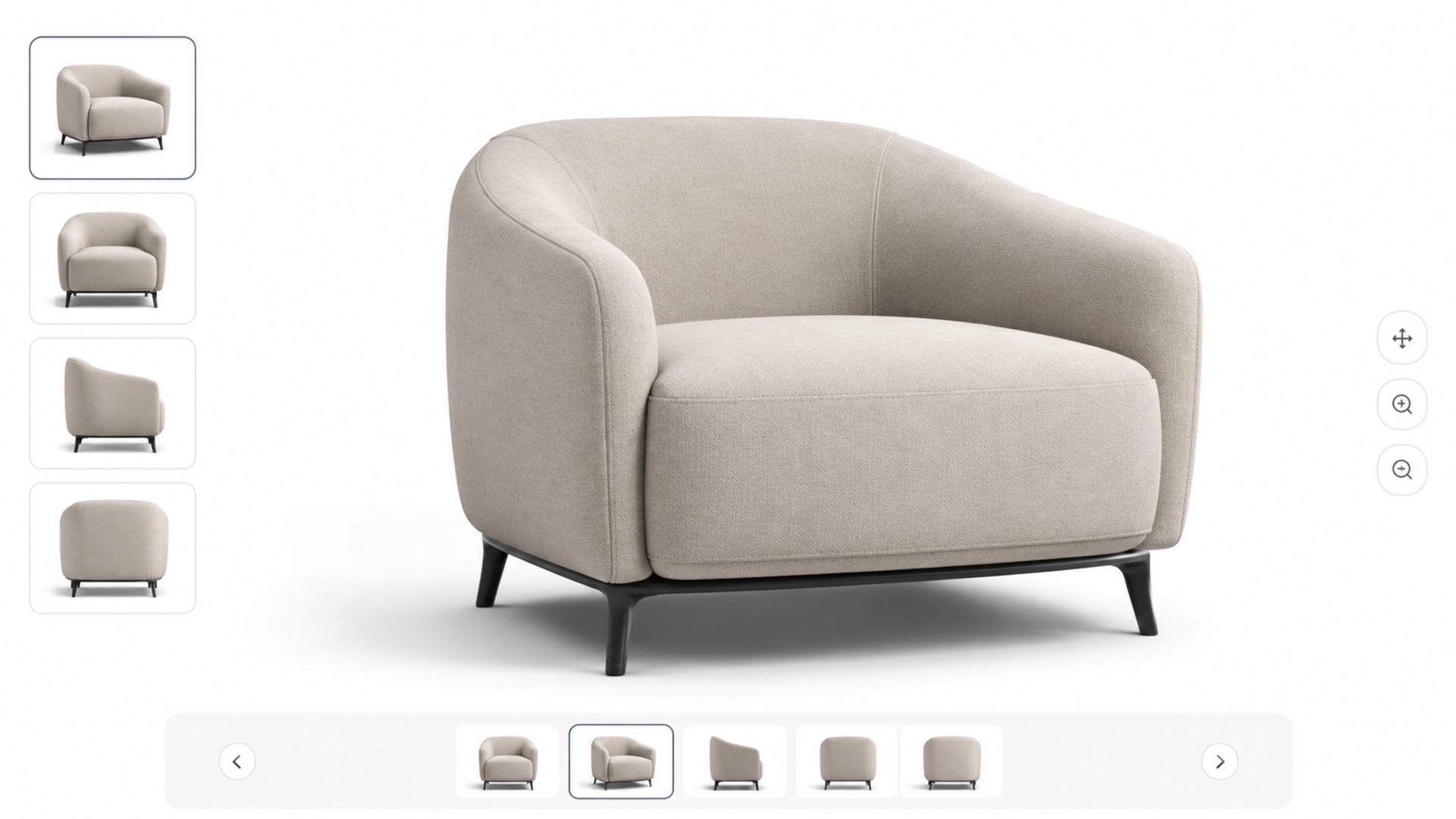
True, getting clicks online feels good – yet that alone won’t pay bills. What actually moves the needle? Sales. Plain numbers. Real money changing hands. Some brands added 3D visuals. Afterward, they sold more. Especially noticeable in big-ticket items. Think couches, tables, storage units. That happens to be our focus here.
Picture this. Shoppers interacting with virtual items through their screens tend to buy more – sometimes two and a half times as much – as shown by Vogue Business. Numbers shift noticeably when brands add three-dimensional previews. Orders grow larger on average, while fewer things get sent back. Look at sales before and after launching 3D visuals – you’ll spot the difference right away.
Gather Customer Feedback And Satisfaction Insights
One more thing – 3D setup tends to boost how happy customers feel, though spreadsheets won’t tell the whole story. When Audi tested a live 360-view tool, people gave higher scores just because they could spin the car around on screen.
Feedback comes straight from customers after a purchase, shared through surveys or quick chats right on the page. This kind of input reveals what people actually think when they explore your brand and navigate 3D visuals online. Instead of guessing, you see real reactions tied to specific moments in their experience. These details show how users feel while moving through digital spaces you’ve built.
The Future Of 3D In Online Shopping
Soon, three-dimensional views won’t just stand out – they’ll be what shoppers assume they’ll see when browsing products online. Expectations are shifting without fanfare. What was once special now feels ordinary. The standard has quietly moved forward.
As tools grow simpler, smaller firms can step into 3D and augmented reality. Ease of access opens doors once stuck shut by complexity. User-friendly upgrades let mid-level companies join the visual shift. Simpler design means fewer barriers to rich digital displays. More intuitive systems allow broader reach without expert help. Smooth operation pulls everyday brands into immersive formats. Friendly interfaces invite those left behind before. Lighter learning curves bring hidden players forward. Ready-to-use features lift limitations quietly removed. Streamlined functions make room for wider participation.
Picture this: picking colors, shapes, textures on the spot while seeing your design come alive right there – no waiting. Showrooms that aren’t places but screens you walk through from anywhere. Three-dimensional versions of items spinning in front of you, showing every angle like it’s already in your hands. Changes happen as fast as thoughts, almost. The version you see now isn’t fixed – it shifts when you do. Try a change, watch it appear within seconds. What once needed sketches or patience now just flows. Seeing becomes believing because everything adjusts before your eyes.
One thing leads to another – like how AR glasses are becoming common, which mixes real stores with online bits without any gaps. Digital blends into actual spaces now, thanks to where tech is headed.
Behind every stalled company, there’s a moment they ignored the next wave. Staying put means slipping back when everything else moves ahead.
Connect with us today to get to know more in detail.
FAQs
1.Why might 3D models change how people buy things online?
Looking at products in three dimensions online tends to hold attention longer. Because of this, people feel more sure about what they are buying. Time spent exploring a rotating view builds familiarity. Seeing every angle helps avoid surprises when the item arrives. Trust grows when customers know exactly what to expect. Fewer misunderstandings mean fewer items sent back. A realistic digital version acts like holding it in hand. This kind of clarity shapes honest impressions upfront.
2. What platforms support 3D product displays?
Nowadays most big online stores work with 3D stuff. Take Shopify, for example – it lets shoppers see products in three dimensions right on the page. BigCommerce does something similar but leans more on outside apps to make it happen. Magento gives store owners freedom, though they might need extra coding help. With WooCommerce, plugins open the door to AR features. Even Sales Commerce Cloud fits into this trend without standing out too much. Built-in options exist here and there, yet many still depend on external tools or tailor-made fixes.
3. Are 3D product models mobile-friendly?
Most current 3D models actually run fine on phones too. Take formats such as USDZ – these handle well on Apple gadgets. Meanwhile, GLB works across Android systems and web pages just as smoothly. Spinning them around is possible. So is setting them into your living room view through the screen.
4. Could three-dimensional visuals slow down a site’s speed?
Most of the time they do slow things down, yet smart tweaks often prevent any real slowdown. Big 3D models take up space, though lighter file types, delayed loading tricks, or cleaner code help them load about as fast as a page full of sharp photos. Working alongside seasoned teams usually keeps speed steady without losing visual depth.
5. Creating 3D models for items – does that cost a lot?
Most times, how tough a thing looks decides the price tag for its 3D version. A basic shape takes less work, so it hits the wallet lighter. Yet if gears turn inside or surfaces need fine detail, fees climb fast. Though pricier at first, these digital copies often pay off later. Instead of hiring photo crews each season, stores reuse the models. Launching something new goes quicker when there is no waiting on shoots. Fewer wrong guesses about size or look means fewer things sent back.
